


The world has become obsessed with microfibers, but what are they? Microfibers are tiny plastic fibers that can come from clothing. They are released during washing and dry-cleaning processes as well as by synthetic fabrics rubbing against each other.
- Microfibers are small enough to travel through the water and sewage systems into waterways, oceans, lakes and other bodies of water. They can be found in rivers, lakes and oceans.
- Microfibers are also a concern for wildlife as they enter the food chain when animals eat fish or crustaceans (such as shrimp) that have ingested these microplastics.
The World Health Organization is looking at how small these fibers are and their ability to persist in the environment for long periods of time. Microfibers are not easily filtered out by water treatment systems, and can be ingested by marine life.
For example, polyester sheds twice as many fibers as nylon or cotton during a wash cycle, shedding around 1,900 fibers per gram of fabric. Polyester is the most common synthetic fiber used today and is made from petroleum a non-renewable resource that releases greenhouse gases when it’s processed. It also comes from plastic (another non-renewable resource), which is used to make its individual strands. This material is cheap and easy to produce compared with other textiles like cotton or wool, but it creates a lot more microfibers when you wash it down the drain because of how fine its strands are.
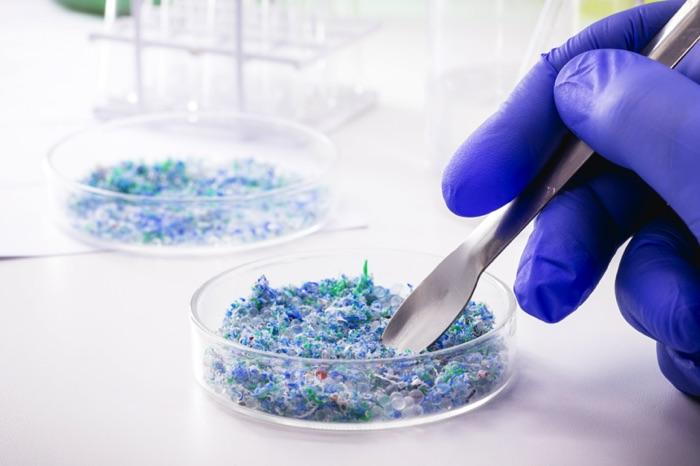
Scientists are investigating ways to filter microplastics out of wastewater before it enters the ocean but admit that it would require a huge amount of money to build such infrastructure. It may have to be mandated at consumer level instead using filters on washing machines or on clothes instead.
Microplastics are tiny pieces of plastic that have been broken down from larger pieces of plastic. They’re a global problem and have been found in the ocean, rivers and lakes, but also in tap water around the world.
Scientists believe they come from synthetic clothing shedding microfibers into the water supply during washing. Now scientists are investigating ways to filter microplastics out of wastewater before it enters the ocean but admit that it would require a huge amount of money to build such infrastructure. It may have to be mandated at consumer level instead using filters on washing machines or on clothes instead.
With all the research being done into microfibers and their impact on the environment, there is no doubt that this is an issue that will require careful thought. The current level of knowledge about this issue allows us to start taking action now so that we can build a better future for our children and grandchildren.
Leave a Reply